Source Glitter Acrylic Cake Topper for Birthdays, Weddings, and Parties
Explore 30 listings for glitter acrylic cake topper options with varying colors, sizes, and MOQs from Chinese manufacturers. Buyers can compare specifications and pricing to find suitable decoration items for events.
Key considerations
Products List

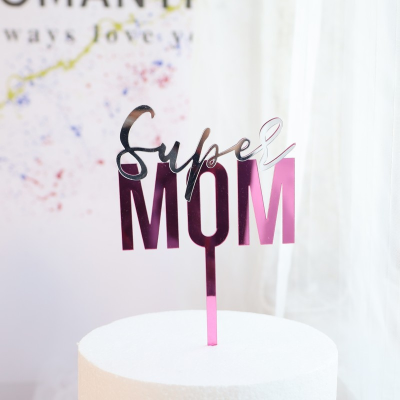
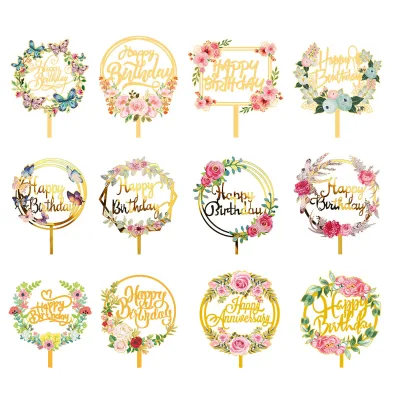


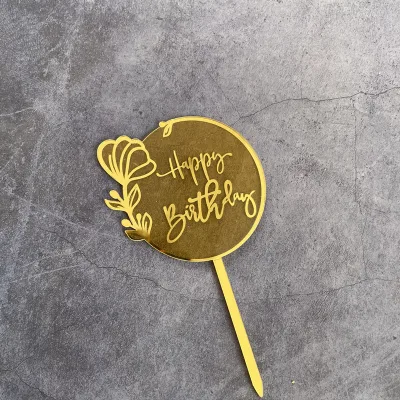
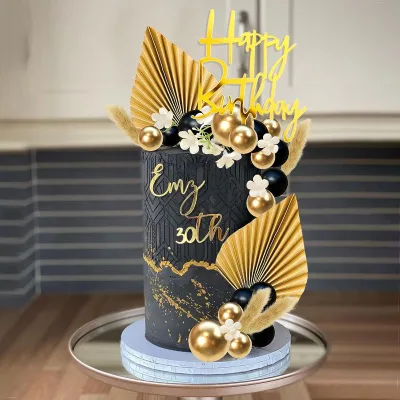



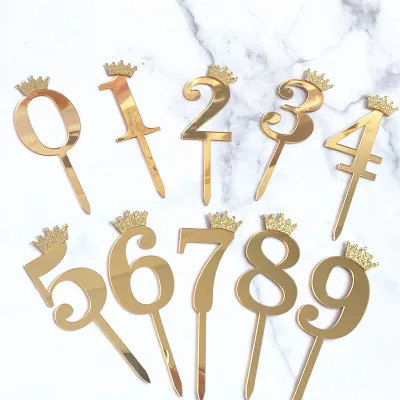
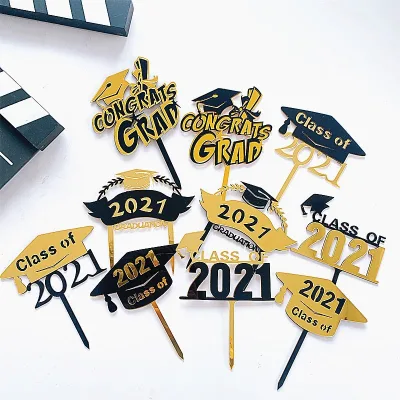
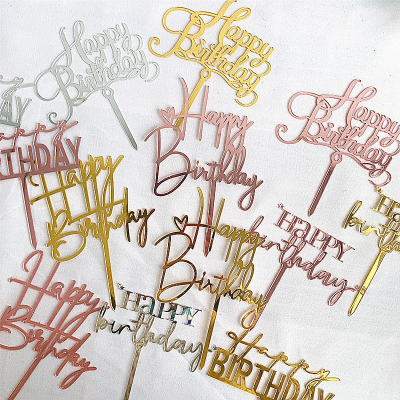




Comprehensive Sourcing Guide
Strategic Sourcing Guide for Glitter Acrylic Cake Toppers
Understanding Product Specifications and Material Integrity
When sourcing glitter acrylic cake toppers, the primary objective is to secure a product that balances aesthetic appeal with structural durability. The core material for these items is acrylic, a thermoplastic polymer known for its clarity, light weight, and ability to hold vibrant colors and glitter finishes. Based on observed market data, these toppers typically feature a single package size of approximately 19x8x0.2 cm, indicating a profile that is thin yet rigid enough to stand upright on a cake surface. The weight of individual units varies, with observed specifications ranging from 6 grams to 16 grams, and specific models weighing around 13 grams. This variance in weight often correlates with the size of the topper, such as "Big" versus "Small" variants, or the density of the glitter application.
The physical dimensions are critical for compatibility with standard cake sizes. Observed model numbers, such as D-CAH29 and K-029, suggest a standardized production line where specific dimensions are maintained. The size range of 10-13 cm is common for the main decorative element, ensuring visibility without overwhelming the cake. The shape is generally described as "as picture," implying that the design is fixed by the mold or laser-cut pattern, which is typical for custom acrylic orders. Buyers must verify that the acrylic thickness is sufficient to prevent warping, especially if the topper is intended for a humid environment or a cake with heavy frosting. The material is often available in specific color codes, including Gold, Silver, Pink, and various numbered colorways, allowing for precise matching to event themes.
Compliance, Safety, and Certification Verification
In the food service and decoration industry, compliance is non-negotiable, particularly when the product is intended for close proximity to food. While the supplied data indicates that the product standard is "Customized," this does not imply a lack of safety requirements. Acrylic is generally food-safe in its solid form, but the glitter additives and adhesives used in the finishing process must be verified. Buyers should not assume that all listed products meet specific international food-contact standards without explicit documentation from the supplier.
The place of origin for these products is primarily Guangdong and Zhejiang in China. Sourcing from these regions offers access to established manufacturing hubs, but it necessitates rigorous due diligence regarding local and international export standards. Buyers must request evidence of compliance with relevant safety regulations, such as those governing food-contact materials in the destination market (e.g., FDA regulations in the US or EU Framework Regulation (EC) No 1935/2004). The absence of a specific certification number in the general product listing means the buyer must actively verify the supplier's ability to provide test reports for heavy metals, phthalates, and other chemical migrants.
Furthermore, the "Customized" standard mentioned in the data suggests that the product may be tailored to the buyer's specific branding or design needs. This customization process introduces variables that can affect compliance. For instance, the application of a customized logo or specific glitter patterns must not introduce non-compliant materials. Buyers should ensure that the supplier has a documented quality assurance process that includes material safety data sheets (MSDS) for the acrylic sheets and any inks or coatings used. Without these documents, the risk of regulatory non-compliance increases significantly, potentially leading to product seizures or legal liabilities in the destination market.
Cost Drivers and Pricing Dynamics
The pricing structure for glitter acrylic cake toppers is influenced by several dynamic factors, including material costs, order volume, and customization complexity. The observed price range in the market spans from $0.07 to $3.38 per unit. This wide variance is not arbitrary; it reflects differences in unit size, color complexity, and the level of customization required. The lower end of the price spectrum typically corresponds to standard, unbranded units with minimal color variations, while the higher end reflects premium finishes, larger sizes, or complex custom designs.
Order volume is a primary driver of unit cost. The Minimum Order Quantity (MOQ) varies significantly across suppliers, with observed ranges from 2 units to 20,000 units. Specific listings indicate MOQs of 100 bags, 500 pieces, or even 10,000 pieces. For small buyers or those testing a new product line, suppliers with lower MOQs are essential, though the per-unit cost will likely be higher. Conversely, large-scale buyers can leverage economies of scale to reduce costs, but they must be prepared to commit to larger inventory volumes.
Customization is another significant cost driver. The data confirms that OEM (Original Equipment Manufacturer) and ODM (Original Design Manufacturer) services are acceptable, and customized logos are available. Implementing a custom logo or a unique design requires additional setup time, tooling, and quality control checks, all of which contribute to the final price. Buyers should also consider the cost of packaging; while standard packaging is often a simple OPP bag, custom packaging solutions will add to the overall expense. When negotiating, it is crucial to understand the breakdown of costs to identify areas where savings can be achieved without compromising quality.
Typical Applications and Market Segmentation
Glitter acrylic cake toppers serve a versatile role in various celebratory contexts, with the primary application being cake decoration for birthdays and holidays. The product keywords explicitly mention "Party Decoration Birthday" and "Holiday Party," indicating a strong alignment with event-based consumption. The specific occasion data points to Christmas, suggesting that seasonal demand is a significant factor in the market. During holiday seasons, the demand for gold and silver finishes typically spikes, as these colors align with traditional festive aesthetics.
Beyond birthdays and Christmas, the "Event & Party Supplies" classification suggests broader applicability. These toppers are suitable for weddings, anniversaries, baby showers, and corporate events where personalized cake decorations are desired. The "Western" style designation implies that the designs often follow Western aesthetic conventions, which are widely popular globally. The availability of numerous color options, including specific codes like "Big-Gold1" through "Big-Gold9" and various silver shades, allows buyers to cater to diverse client preferences.
The market segmentation is further defined by the target audience. The "Selling Units: Single item" attribute indicates that these products are often sold individually to end consumers or in small batches to event planners. However, the high MOQs observed in some listings suggest a strong B2B component, where bulk buyers such as party supply stores, wedding planners, and e-commerce retailers purchase in large quantities. Understanding the specific needs of these segments is vital for sourcing; for example, wedding planners may prioritize premium finishes and custom logos, while party supply stores may focus on cost-effective, high-volume standard designs.
Supplier Evaluation and Operational Capabilities
Selecting the right supplier is critical for ensuring consistent quality and timely delivery. The data indicates that suppliers are located in Guangdong and Zhejiang, China, regions known for their manufacturing capabilities. When evaluating potential partners, buyers should look for suppliers who demonstrate flexibility in their production processes. The acceptance of OEM and ODM services is a positive indicator, suggesting that the supplier is willing to collaborate on design and branding.
Sample lead times are another key metric. Observed sample times range from 3 to 7 days, with some listings specifying 3-5 days. This relatively short turnaround allows buyers to quickly assess product quality and design feasibility before committing to a large order. However, buyers must verify that the sample quality matches the bulk production standards. The production lead time, or delivery time, is also crucial. Data shows a range of 5-15 days for delivery, depending on the order size and customization requirements. Buyers should clarify these timelines during negotiations to ensure they align with their event schedules.
The packaging details provided, such as "1pc/opp Bag" or "Each Packed in a Polybag," indicate a standard approach to protection. However, for fragile items like acrylic toppers, additional protective measures may be necessary, especially for international shipping. Buyers should inquire about the supplier's packaging capabilities and whether they offer reinforced packaging options to prevent breakage during transit. Additionally, the ability to customize the logo and packaging is a significant advantage for brands looking to create a unique identity.
Quality Control and Long-Term Procurement Strategy
Maintaining high quality standards is essential for long-term success in the cake topper market. The observed weight variations and size specifications highlight the need for strict quality control measures. Buyers should implement a robust inspection process that checks for consistency in weight, dimensions, and color accuracy. The "as picture" shape description underscores the importance of verifying that the physical product matches the provided design images, as discrepancies can lead to customer dissatisfaction.
For long-term procurement, building a strategic relationship with a reliable supplier is more beneficial than seeking the lowest price. Suppliers who offer flexible MOQs and responsive customer service can adapt to changing market demands. The ability to accept customized orders allows buyers to differentiate their product offerings and respond to seasonal trends. Furthermore, suppliers who are transparent about their production processes and compliance standards provide a foundation for trust and reliability.
Buyers should also consider the environmental impact of their sourcing decisions. Acrylic is a plastic material, and while it is durable and reusable, its disposal can be an environmental concern. Exploring suppliers who offer eco-friendly alternatives or who have sustainability initiatives can enhance the brand's reputation. Additionally, maintaining a diverse supplier base can mitigate risks associated with supply chain disruptions. By diversifying sources and maintaining open communication, buyers can ensure a steady supply of high-quality glitter acrylic cake toppers that meet their customers' expectations.
Comparative Analysis of Product Attributes
To facilitate decision-making, the following table summarizes key attributes observed across different product listings. This comparison highlights the variability in specifications and helps buyers identify the most suitable options for their specific needs.
| Attribute | Observation Range / Specifics | Implication for Buyers |
|---|---|---|
| Material | Acrylic | Durable, clear, lightweight; verify food-contact safety. |
| Weight | 6g - 16g (e.g., 13g, 16g) | Indicates size and sturdiness; heavier may be more durable. |
| Dimensions | 10-13cm height; 19x8x0.2 cm package | Ensures visibility on cake; check fit for specific cake sizes. |
| MOQ | 2 - 20,000 (e.g., 100, 500, 10,000) | Determines inventory commitment; lower MOQ for testing. |
| Lead Time | 3-7 days (sample); 5-15 days (delivery) | Plan production schedules accordingly; verify actual timelines. |
| Packaging | 1pc/OPP Bag, Polybag | Standard protection; request reinforced options for shipping. |
| Customization | Logo, OEM/ODM, Colors | Enables branding; verify setup costs and design requirements. |
| Origin | Guangdong, Zhejiang, China | Established manufacturing hubs; verify compliance standards. |
This comparative view underscores the importance of aligning product specifications with business requirements. By carefully evaluating these attributes, buyers can make informed decisions that balance cost, quality, and operational efficiency.
FAQs
What is the minimum order quantity for glitter acrylic cake toppers?
The minimum order quantity varies by supplier, with observed ranges from 2 to 20,000 pieces. Specific listings indicate MOQs of 100 bags, 500 pieces, or 10,000 pieces depending on the vendor and customization level.
How long does it take to receive samples of these toppers?
Sample times typically range from 3 to 7 days for production. Some suppliers offer faster turnaround of 3 to 5 days, allowing buyers to quickly assess product quality before committing to a bulk order.
Can I customize the logo on the glitter acrylic cake topper?
Yes, OEM and ODM services are acceptable, and customized logos are available for many suppliers. This customization allows buyers to add branding, though it may affect the unit cost and lead time compared to standard items.
What materials are used to make these cake toppers?
The primary material is acrylic, a thermoplastic polymer known for clarity and light weight. Specific models weigh between 6 and 16 grams, with options available in gold, silver, pink, and various other color codes.
Which locations are the main sources for these products?
Products originate primarily from Guangdong and Zhejiang in China, which are established manufacturing hubs. Buyers should verify compliance with local and international export standards when sourcing from these specific regions.
What is the typical price range for bulk orders?
The observed price range spans from 0.07 to 3.38 USD per unit. This variance reflects differences in unit size, color complexity, and the level of customization required for the specific order.
How are the toppers packaged for shipping?
Standard packaging is typically 1 piece per OPP bag or polybag. For fragile items, buyers should inquire about reinforced packaging options to prevent breakage during international transit.